 XP TRACKER
Why do I have motivation at night?
Late at night the house is quiet, nobody needs anything from you and the day's pressure is over. For some people the body clock also runs later. That mix can make 11 p.m. feel like your most motivated hour. The trick is to use it without paying for it the next day.

Short answer: You probably feel motivated at night because it's quiet, nobody needs you and the day's pressure is over. Some people also have a later body clock and feel most alert in the evening. Use the late burst for planning and creative work with a hard stop, protect your sleep, and if your schedule allows it, move your important work to the hours when you naturally feel sharp.
The pattern is common. You drag through the day, then around 10 p.m. you suddenly want to clean the flat, start a project or plan your whole life. Then the alarm goes off at 7 and you're back to dragging. That loop can run for months.
Two things are going on. One is the setting: night is free time. The other can be your body clock. Both are worth understanding, because the fix depends on which one is stronger for you.
Why the night feels different
- No interruptionsMessages stop, the house goes quiet and nobody asks you for anything. Focus comes easier when nothing pulls at it.
- The pressure is offDuring the day, tasks feel like obligations with a clock on them. At night, the deadline has passed for today, so the same task can feel like your choice.
- A later body clockPeople differ in when they feel most alert. Some are early types, many are in the middle and some run late. A late type often feels groggy in the morning and alert in the evening.
- The night is yoursIf your day belongs to work, study or family, the late hours may be the only time that feels like your own. Staying up protects that time, even when you're tired.
Match the fix to your situation
Pick the row that fits you. Many people are a mix of both.
| If this sounds like you | Try this |
|---|---|
| You feel alert late even on free days, and groggy every morning | If you can, move focused work later in the day. Keep a fixed wake-up time and get daylight soon after waking to shift gradually. |
| You feel fine in the morning but the day is full of other people's demands | Block one quiet hour earlier in the day for your own work. Turn off notifications and close the door. |
| You stay up because evening is your only free time | Give yourself an hour of free time earlier in the evening, then a set bedtime. |
| You get bursts of ideas at night but don't act on them | Capture the ideas in a notebook, then turn one into a 10-minute task for tomorrow. |
Use the late burst with a hard stop
Night motivation is useful. You can plan, write, sketch, tidy or think through a problem. The risk is that one more hour turns into three, and tomorrow pays for it.
Set a stop time and put an alarm on it, about an hour before you want to sleep. When it rings, write down where you stopped and the first thing you'll do next time. Then switch to your wind-down: dim lights, screens away, something calm.
Late-night ideas often look different in daylight. Write them down rather than acting on all of them. In the morning, pick the one that still looks good and give it a slot in the day.
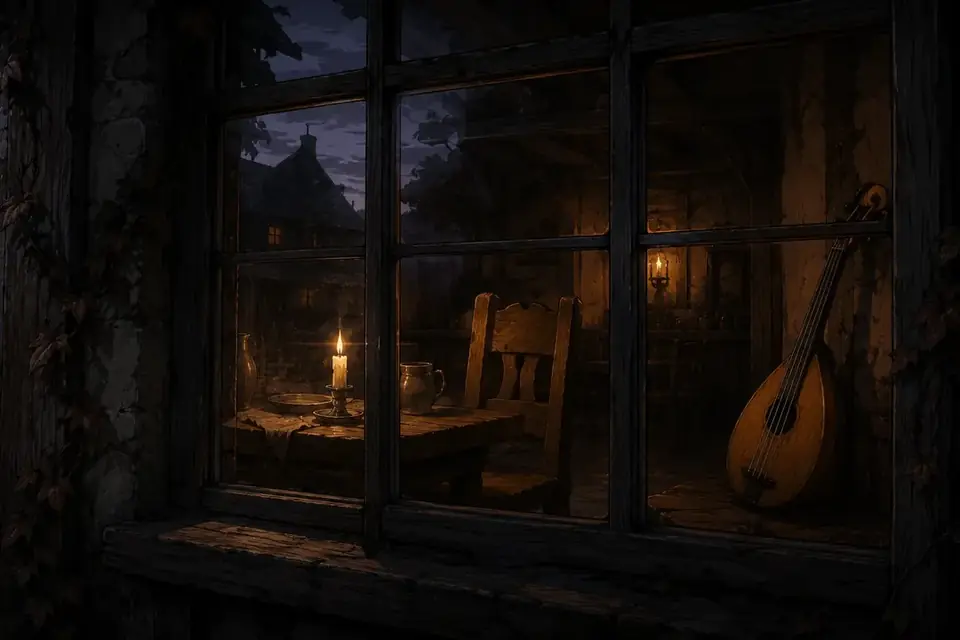
Give yourself free time before the night
If you stay up because the night is the only time that feels like yours, a bedtime rule alone won't hold. Find some of that time earlier. Even 30 to 60 minutes in the early evening for something you choose, such as a game, a walk, a show or a hobby, can take the pressure off the late hours.
Protect it the way you'd protect a meeting. Tell the people you live with, put it in the calendar and keep chores out of it. Once your free time has a fixed home, going to bed stops feeling like losing the only part of the day that belongs to you.
Move your energy earlier, step by step
If you need to function in the morning, you can shift your rhythm over a few weeks. Big jumps rarely stick. Small steps do better:
- Week 1: fix your wake-up timeSame time every day, including weekends, within about 30 minutes. Get 10 minutes of daylight soon after waking.
- Week 2: move bedtime 15 minutes earlierStart your wind-down 15 minutes sooner. Screens off at the same time each night.
- Week 3: another 15 minutesDo the same again. Keep caffeine to the morning.
- Week 4: start your project earlierTry the task you'd normally do at 11 p.m. at 8 p.m. instead. Notice how it feels.
Your body clock may never make you a morning person, and that's fine. The goal is enough sleep and a routine that fits your life. Our sleep calculator helps you choose a bedtime from your wake-up time.
Common mistakes
- Riding the burst until 3 a.m. You get one good night and two bad days.
- Sleeping in at weekends to catch up. A late wake-up on Saturday and Sunday often makes Monday morning harder.
- Starting big projects late at night. Planning is fine; a full project pushes your bedtime back again.
- Blaming yourself for being groggy in the morning. It may be your body clock plus short sleep, not a lack of willpower.
When to get help
If you can't fall asleep for hours most nights, wake up exhausted after a full night, or the pattern affects your mood or work for weeks, talk to a doctor. Sleep problems are common and worth checking.
What to do today
- Pick a stop time for tonight, an hour before bed, and set an alarm.
- Keep a notebook by your bed for late ideas.
- Choose a fixed wake-up time for the next seven days.
- Tomorrow, move one task you'd do at night into a quiet hour in the day.
XP Tracker has two evening quests in every class: Gratitude, where you name one thing you're grateful for, and Close the Day, three slow breaths to let the day go. They give your night a clear end. How it works.



Questions people ask
Why am I more productive at night?
At night there are fewer interruptions, no meetings and no messages to answer, so you can focus. Some people also have a later body clock and feel most alert in the evening. Both are common.
Is it bad to work late at night?
Working late now and then is fine for many people. It becomes a problem when it cuts into sleep, because short nights make the next day harder and often push the late burst even later. Adults generally need 7 or more hours.
How do I get my night motivation in the morning?
You may not fully, especially if you have a later body clock. You can move it earlier by small steps: a fixed wake-up time, daylight soon after waking, and starting the task you care about earlier in the evening, then earlier again.
Why do I want to stay up late even when I'm tired?
Many people stay up because the night is the only time that feels like theirs. People online call this revenge bedtime procrastination. Giving yourself some free time earlier in the evening can make it easier to go to bed.
Am I a night owl?
If you naturally feel sleepy late, wake up groggy and feel your best in the evening even on free days, you may have a later body clock. A sleep diary for two weeks, including weekends, gives you a good picture.
Related pages




Start your journey
Pick a class, do the day's quests, and watch your hero level up with you.
Start free on iPhone and Android.
Scan to install Point your phone camera at the code. iPhone opens the App Store, Android opens Google Play.