Hướng dẫn

Hướng dẫn xây thói quen bền lâu

Những câu trả lời ngắn gọn, thiết thực cho các câu hỏi người ta thật sự hay hỏi về thói quen, dù có dùng ứng dụng hay không. Mỗi bài mở đầu bằng câu trả lời thẳng thắn và kết thúc bằng một việc bạn có thể làm ngay hôm nay.

Động lực

Khi bạn không muốn làm

Vì sao động lực lúc có lúc không, và nên làm gì vào những ngày nó biến mất.

Motivate yourself on a flat day
Shrink the first step, remove friction, add a small reward and count what you finish.
Why motivation fades so fast
Six common reasons the spark goes after a few days, and what to change for each.
Why you lack motivation
Check sleep, load, goals and things to look forward to, then start with one small step.
Get out of a rut
Name what feels stuck, change one input, add one new thing a week. A two-week plan.
Get things done when you're tired
Check the basics behind the tiredness, then use a low-energy list, short timers and easy wins.
The afternoon slump
Why focus drops after lunch, and how to plan your day so the dip costs you less.
Why you feel motivated at night
Quiet, no demands and a later body clock. How to use the late burst and still sleep.
Losing motivation in winter
Dark mornings, cold and fewer plans. Smaller habits and daylight help you through.
Get motivated to exercise
Pick movement you can stand, start at 10 minutes, lay out your kit and count sessions.
Get motivated to study
One specific task, 25-minute blocks, phone in another room and a record of sessions.
Get motivated to clean
One zone, ten minutes, a playlist you save for chores, and a short daily reset.
Stay motivated at work
Three priorities a day, one protected focus block and a record of what you finished.
Reward yourself for good habits
Small rewards right after the habit, bigger ones at milestones, and a free reward menu to copy.
Do rewards kill motivation?
Intrinsic vs extrinsic motivation, what the classic studies found and how to use rewards without losing interest.
Nếp sống

Buổi sáng, buổi tối và cả tuần

Những nếp sống vẫn trụ được qua một ngày tệ.

Build a routine for yourself
Decide what it's for, build two bookends, attach three habits to anchors and test it for two weeks.
Stick to a daily routine
A start trigger, a short version, a tick each evening and a plan for disruptions.
Why can't I stick to a routine?
Eight common reasons routines fall apart, how to spot yours and the fix for each.
Make a daily routine timetable
Fixed times first, then anchors and blocks, with buffers. Four example days.
Stick to a morning routine
Set it up the night before, keep a steady wake time and start with three steps in a fixed order.
A night routine for adults
Fifteen, thirty or sixty minutes: a wind-down alarm, a quick tidy, tomorrow set up and screens away.
End-of-workday shutdown routine
Ten minutes to close loose ends, set up tomorrow and stop thinking about work.
Plan your day in five minutes
Fixed events, three priorities, a start time for the first one and a midday check.
Plan your week in 30 minutes
Review, fixed events, three priorities with time slots, and a daily two-minute check.
Time blocking for beginners
Two or three blocks a day, a buffer for surprises, and a five-minute reset when the plan slips.
Keep habits on weekends
Two or three anchors, weekend-sized versions and new cues for slower days.
Start a Sunday reset
A 60-90 minute weekly routine for home, food, plans and yourself, with a 30-minute version.
Have a reset day
One planned day to rest, clear the small stuff and set up the week ahead.
Stick to a routine with ADHD
Fewer steps, visible cues, timers and a plan for the days it falls apart.
Keep a routine when you feel low
Two or three tiny habits that hold a hard day together, and when to ask for help.

Bắt đầu hành trình của bạn

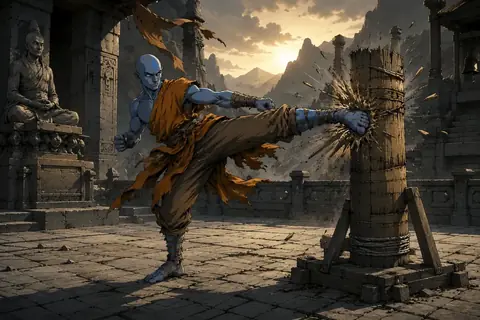
Chọn một lớp, làm nhiệm vụ trong ngày và xem anh hùng của bạn lên cấp cùng bạn.

Bắt đầu miễn phí trên iPhone và Android.

Quét để cài đặt Hướng camera điện thoại vào mã. iPhone sẽ mở App Store, Android sẽ mở Google Play.